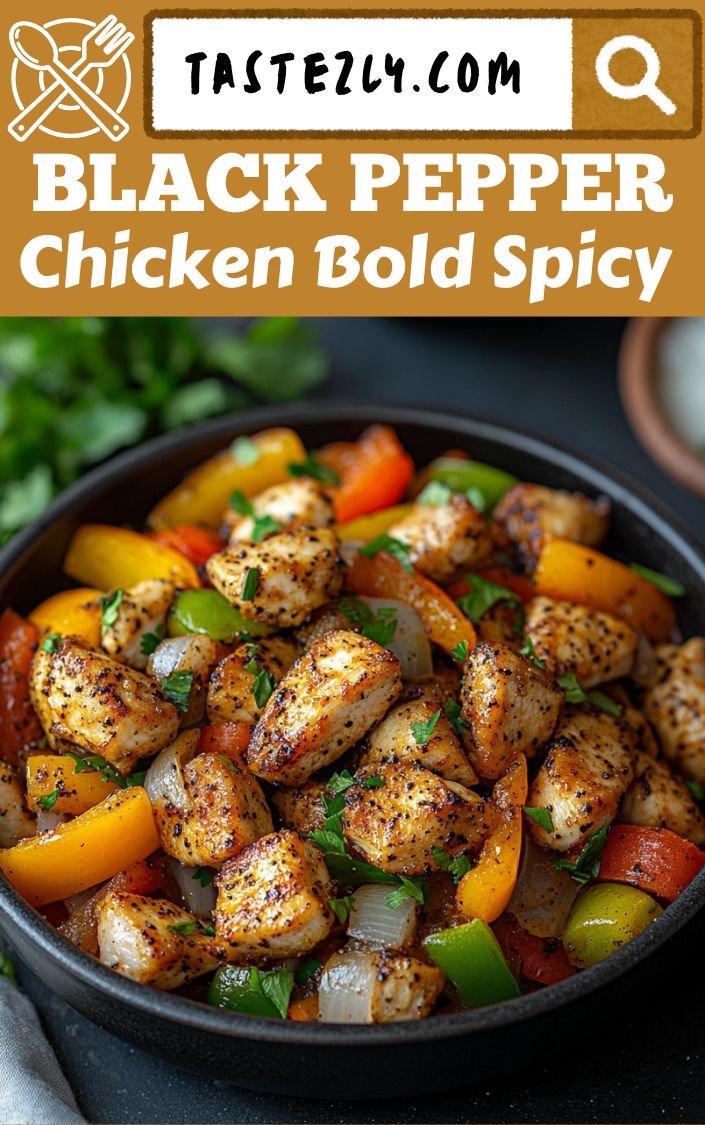
Ingredients
Method
- Slice and prep. Cut the chicken into bite-size pieces and slice the onions and bell peppers. Mince garlic and ginger so everything is ready to move fast.
- Make the slurry. In a small cup, mix cornstarch with water until smooth. Set it aside—this is what gives the sauce its glossy cling.
- Whisk the sauce. In a bowl, whisk soy sauce, oyster sauce, hoisin, rice vinegar, brown sugar, black pepper, and broth. Taste it now; it should be bold and slightly sweet.
- Heat the skillet. Place a large skillet or wok over medium-high heat. When the pan feels hot and a drop of water sizzles quickly, add 1 tablespoon oil.
- Sear the chicken. Add chicken in a single layer. Let it sit undisturbed for 2–3 minutes until the underside takes on golden color. Stir and cook another 2–3 minutes until mostly cooked through. Transfer to a plate.
- Add oil again. Pour in the remaining 1 tablespoon oil. This helps the vegetables stir-fry instead of steaming.
- Bloom the aromatics. Add garlic and ginger, stirring for 20–30 seconds until fragrant. You want a gentle sizzle and that warm, pepper-friendly aroma—don’t let it brown.
- Stir-fry the vegetables. Add onions and bell peppers. Cook 3–4 minutes, tossing often, until the peppers brighten and soften slightly but still keep a crisp snap.
- Return the chicken. Add the chicken back to the pan, including any juices on the plate. Toss everything together for a minute so the flavors start to mingle.
- Pour in the sauce. Give the sauce a quick stir, then pour it around the pan. It should bubble gently as it hits the heat.
- Thicken to glossy perfection. Stir in the cornstarch slurry and keep tossing for 30–60 seconds. The sauce will go from thin to shiny and clingy, coating the chicken and peppers evenly.
- Finish and serve. Turn off the heat. Fold in green onions and (optional) sesame seeds. Taste and add a touch more cracked pepper if you want that extra bold edge.
Notes
The easiest way to make Black Pepper Chicken taste as if it came from a restaurant kitchen is to focus on two small things: heat management and timing. Start with a hot pan. Not smoking-hot, but hot enough that the chicken sizzles immediately and doesn’t release liquid right away. That first sear is where a lot of flavor is built. If you can, spread the chicken into a single layer and let it sit. You’ll see the edges start to turn golden, and that’s your cue that you’re getting real browning—not just cooking.Once the chicken is mostly done, pull it out. This step matters more than it seems. Chicken finishes quickly, and if you keep it in the pan while you stir-fry vegetables, it can go from juicy to a little chewy. Removing it gives the vegetables the space they need to cook properly, and it protects the chicken’s texture. When you add it back later, it finishes gently in the sauce, which is exactly where you want it.The vegetables should stay crisp-tender. Bell peppers are best when they still have a little snap, and onions are best when they’ve softened but haven’t melted away. You’re aiming for bright color and a slight sheen; those visual cues usually mean the texture will be right.For the sauce, whisk it before you start cooking and keep it within reach. When it hits the hot pan, you should see bubbling around the edges. That gentle bubble helps the sauce thicken and coat. The cornstarch slurry is a small trick with big payoff: it transforms the sauce from “liquid” to “glossy,” so it clings to chicken instead of sliding off. Add it gradually if you want control, and stop as soon as you like the texture.Finally, remember that black pepper grows bolder as it sits. Start with a moderate amount, then finish with a fresh sprinkle right before serving for the best aroma and punch.